
Quick answer
New Jersey state law requires pet owners to pick up after their dogs on all public and private property. Local municipalities in Morris County and beyond often enforce these rules through fines to prevent water pollution and public health hazards.
The Legal Requirement to Clean Up
In the state of New Jersey, the law is clear regarding pet waste. The Department of Environmental Protection mandates that all municipalities adopt ordinances requiring pet owners to pick up their dog's droppings immediately. This applies to sidewalks, streets, parks, and even private properties that do not belong to the dog owner.
These laws are not just suggestions. They are part of a broader effort to manage nonpoint source pollution. When it rains, leftover waste washes into storm drains, which eventually flow into local streams and rivers. By following these rules, you are helping to protect the natural beauty and water quality of our Garden State.
Fines and Enforcement in Morris County
While there is a general state mandate, the specific penalties are often decided at the township or borough level. In many parts of Morris County, failing to remove pet waste can result in significant fines. These costs can range from twenty five dollars to several hundred dollars depending on the specific town and whether it is a repeat offense.
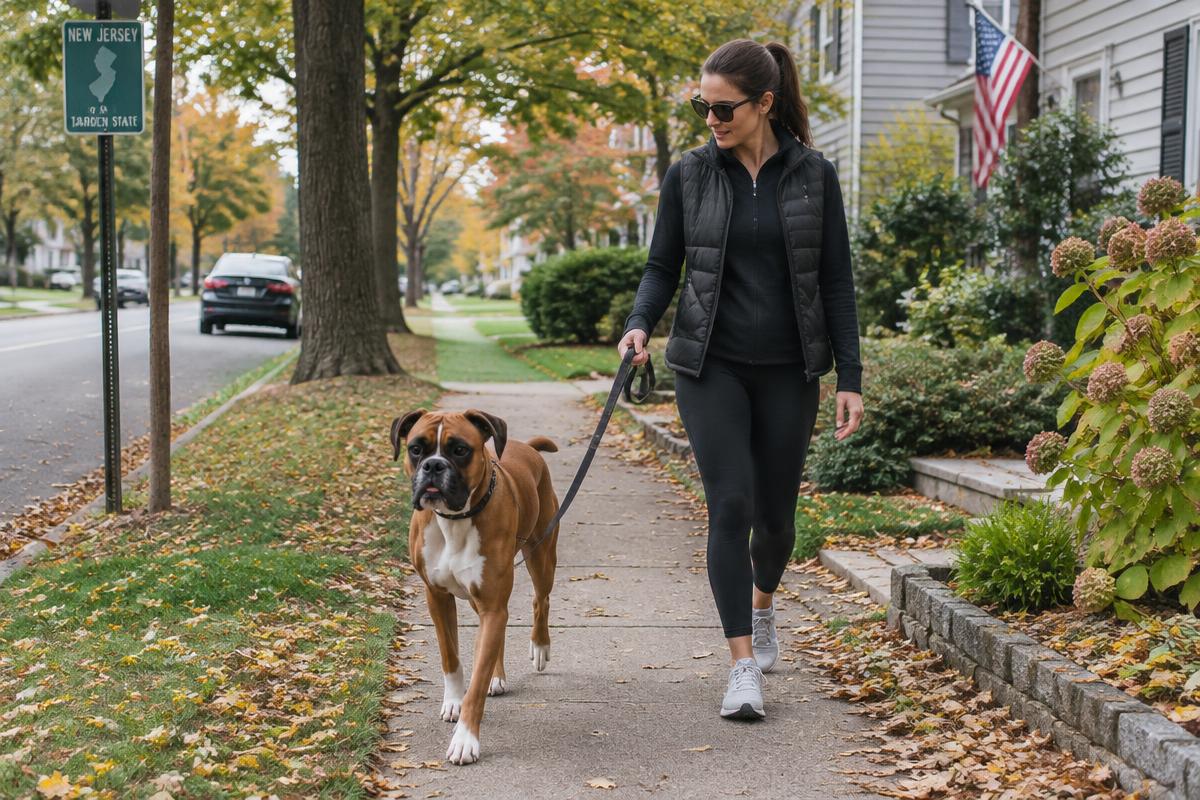
Local code enforcement officers or police departments are responsible for monitoring these violations. It is always a good idea to check with your specific town hall to understand the exact ordinances in your neighborhood. Most towns require you to carry a bag or disposal device whenever you are walking your dog in public spaces.
Health and Environmental Risks
Dog waste is not a natural fertilizer for your lawn or local parks. It is high in nitrogen and phosphorus, which can actually damage grass and promote the growth of harmful algae in ponds. More importantly, pet waste can carry parasites and bacteria such as roundworms, E. coli, and giardia.
These pathogens can live in the soil for long periods, posing a risk to other pets and even humans. If you notice your dog has consistent digestive issues or you are worried about their health, you should consult a veterinarian. Regular waste removal is the best way to prevent these health risks from spreading through your community or backyard.
Proper Disposal Methods
New Jersey guidelines suggest that the most responsible way to dispose of pet waste is to bag it and place it in the trash. Some residents also choose to flush waste down the toilet, provided it is not wrapped in a bag, so that it can be treated at a sewage plant. However, you should never put pet waste into a compost pile intended for gardens.
Keeping a clean yard is just as important as cleaning up during walks. Accumulated waste in a private yard still poses a risk for runoff during heavy New Jersey rainstorms. For those who find it difficult to keep up with the chore, DoodyCalls of Morris County is available to provide professional yard cleanup services to ensure your home remains compliant and safe.
People also ask
Is it illegal to leave dog poop in my own yard in New Jersey?
While most laws focus on public spaces, many towns have nuisance ordinances that require residents to keep their private property sanitary to prevent odors and health hazards. Excessive waste can be reported by neighbors if it impacts the community.
What should I do if I see someone not picking up after their dog?
You can report the violation to your local health department or code enforcement officer. Providing specific information about the location and time can help them address the issue with the pet owner.
Are biodegradable bags required by NJ law?
State law does not currently mandate biodegradable bags, but many environmentally conscious owners prefer them. The main requirement is that the waste is contained and disposed of in a proper trash receptacle.