Quick answer
Changes in bathroom habits for senior dogs are often caused by age related conditions like arthritis, kidney changes, or cognitive decline. If your older dog begins having accidents or struggling to go outside, you should schedule a veterinary exam to rule out underlying medical issues.
Recognizing Normal Aging Transitions
Watching a beloved pet enter their senior years brings a new set of responsibilities for owners. You might notice that your dog needs to go outside more frequently than they did in their younger years. This is a common part of the aging process as the muscles that control the bladder and bowels naturally weaken over time.
It is important to differentiate between a slow change and a sudden shift. While a gradual increase in frequency is typical, a sudden loss of control might indicate something that requires professional attention. Paying close attention to their routine helps you identify these changes early.
Mobility and Access Challenges
Sometimes the change in bathroom habits is not about the digestive system at all, but rather a result of physical discomfort. Arthritis and joint pain can make the act of squatting or lifting a leg quite painful for older dogs. They may also hesitate to go outside if they have to navigate steep stairs or slippery floors to reach the yard.
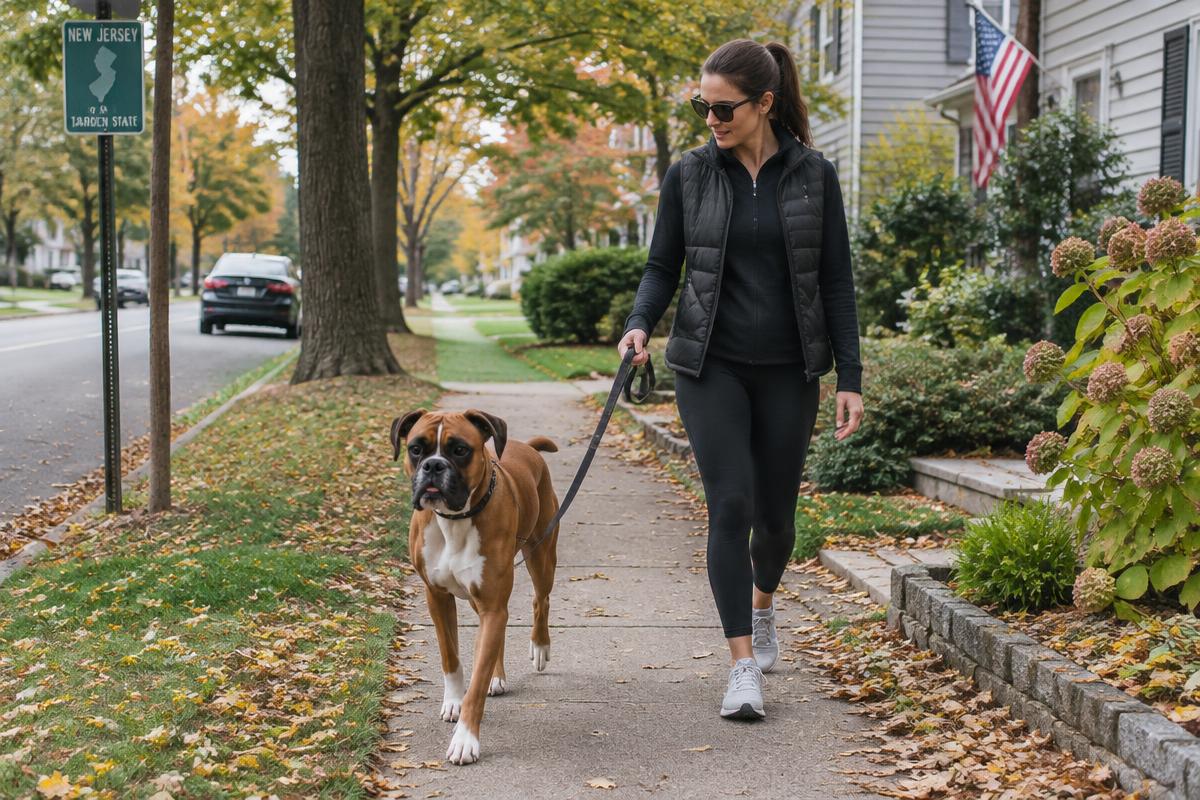
For residents in Morris County, New Jersey, the changing seasons can add extra strain on aging joints. Cold weather can make stiffness worse, leading a dog to choose the convenience of a rug over the discomfort of a cold walk. Ensuring your pet has a clear, easy path to their favorite spot can help reduce accidents inside the home.
When to Visit Your Veterinarian
While some changes are part of getting older, others are symptoms of treatable medical conditions. Urinary tract infections, kidney issues, and diabetes are all common in senior dogs and can lead to increased accidents. If you notice blood in the stool, straining to go, or a significant increase in water consumption, it is time for a checkup.
Your veterinarian can perform diagnostic tests to determine if the behavior is behavioral or medical. In many cases, medication or a change in diet can significantly improve your dog's quality of life and manage their bathroom habits. Never start a new supplement or medication without professional guidance.
- Sudden loss of bowel or bladder control
- Noticeable pain while posturing to go
- Increased thirst or frequent urination
- Changes in the color or consistency of waste
Managing the Home Environment
Adjusting your routine can make life much easier for a senior dog. Increasing the number of walks or potty breaks throughout the day helps prevent the bladder from becoming uncomfortably full. You might also consider using puppy pads in specific areas if your dog has limited mobility during the night.
Keeping the yard clean is also essential for senior pet health. Older dogs may have weakened immune systems, so maintaining a sanitary environment is more important than ever. Regularly removing waste prevents the spread of bacteria and makes the outdoor space more inviting for a dog that might already be reluctant to move around.
Let DoodyCalls Support Your Senior Pet
Caring for an aging dog takes a lot of time and energy. You want to spend your moments bonding and relaxing with your pet rather than worrying about the state of your lawn. A clean yard ensures that your senior dog has a safe and hygienic place to do their business without navigating through old waste.
DoodyCalls of Morris County is here to help local families manage the cleanup process. If you need assistance keeping your property clean and safe for your aging companion, give us a call at (973) 319-4809. We handle the dirty work so you can focus on giving your senior dog the love and attention they deserve.
People also ask
Why is my senior dog suddenly having accidents at night?
Nighttime accidents can be caused by a decrease in bladder capacity, cognitive dysfunction, or simply the inability to wake up and signal in time. Consulting a vet can help determine if it is a medical issue or part of the aging process.
Can senior dogs develop incontinence?
Yes, many older dogs, especially females, may experience hormone responsive incontinence or weakened sphincter muscles. This is a manageable condition that a veterinarian can often treat with specific medications.
How often should an older dog go outside?
Most senior dogs benefit from a potty break every 3 to 4 hours. Increased frequency helps prevent accidents and keeps their joints moving, which is beneficial for dogs with mild stiffness.