
Quick answer
Blood in a dog's stool can be caused by anything from minor dietary indiscretions to serious infections or parasites. You should contact a veterinarian immediately if the blood is bright red, dark and tarry, or accompanied by vomiting and lethargy.
Recognizing Different Types of Blood in Stool
When you first notice blood in your dog's stool, the appearance can provide important clues for your veterinarian. Bright red blood is typically referred to as hematochezia, which indicates that the bleeding is occurring in the lower gastrointestinal tract or colon. This type of bleeding is often seen on the surface of the stool rather than mixed throughout.
Dark, tarry, or black stool is known as melena. This signifies that the blood has been digested, meaning the source of the bleeding is higher up in the digestive system, such as the stomach or small intestine. Both types of bleeding require attention, but dark stool often suggests a more chronic or severe internal issue.
Common Causes for Bloody Stool in Dogs
Many factors can lead to gastrointestinal distress in pets throughout Morris County. One of the most common causes is dietary indiscretion, which occurs when a dog eats something they should not, such as garbage, rich human food, or a new type of treat that does not agree with their stomach.
Internal parasites like hookworms, whipworms, or roundworms are also frequent culprits. These parasites attach to the intestinal lining and cause irritation that leads to bleeding. Additionally, viral or bacterial infections, including parvovirus or salmonella, can cause severe inflammation and bloody diarrhea, especially in younger or unvaccinated dogs.
- Ingestion of foreign objects like bones or plastic
- Abrupt changes in diet or food allergies
- Inflammatory Bowel Disease or chronic colitis
- Stress related digestive upset
Environmental Factors in Morris County
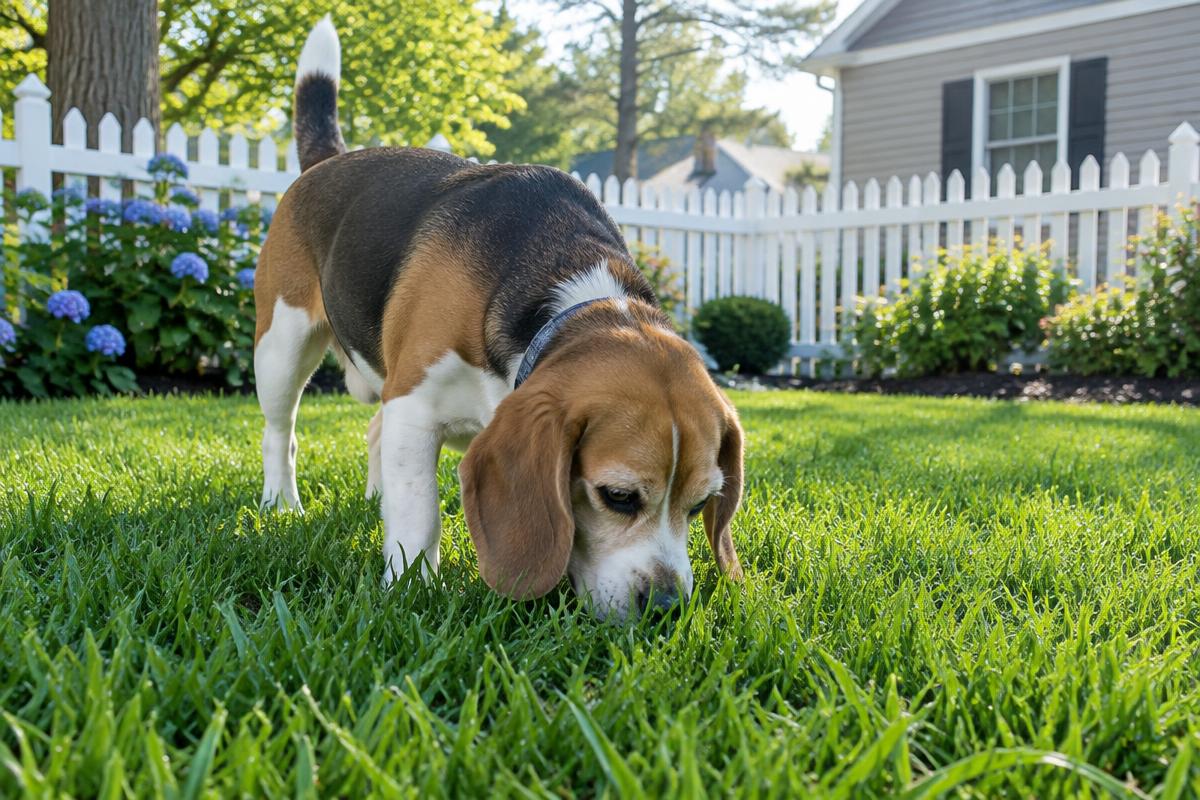
Local environmental factors can sometimes play a role in your dog's health. During certain seasons in Morris County, dogs may be exposed to different bacteria in standing water or public parks. It is important to monitor what your dog is sniffing or licking during your daily walks to prevent the ingestion of toxins.
Local wildlife can also carry parasites that might infect your pet if they come into contact with wild animal waste in your yard. Keeping your outdoor space clean and free of accumulated waste is a practical way to reduce the risk of re-infection or the spread of pathogens between pets.
When to Contact Your Local Veterinarian
While a single streak of red blood might be due to a minor bout of constipation, you should always err on the side of caution. If your dog is acting normally and eating well, you might monitor them for a few hours. However, if the bleeding persists or if you see a large volume of blood, call a professional immediately.
Be prepared to describe the color and consistency of the stool to your vet. They may ask for a fresh sample to test for parasites or bacteria. Warning signs that indicate an emergency include pale gums, extreme lethargy, repeated vomiting, or a complete loss of appetite.
Maintaining a Healthy Backyard Environment
Proper hygiene is essential for preventing the spread of many conditions that cause bloody stool. Parasite eggs can live in the soil for long periods, so removing waste promptly is a key step in protecting your pet and your family. A clean yard reduces the chances of your dog stepping in or investigating old waste.
DoodyCalls of Morris County is here to help you maintain a safe and sanitary environment for your furry friends. If you are dealing with a sick pet and need help managing the cleanup, our professional team can handle the dirty work so you can focus on your dog's recovery. Call us at (973) 319-4809 to schedule a service.
People also ask
Can stress cause a dog to poop blood?
Yes, severe stress or anxiety can lead to a condition called stress colitis, which results in inflammation of the large intestine and can cause mucus or bright red blood in the stool.
Should I fast my dog if I see blood in their stool?
Some veterinarians recommend a short fast followed by a bland diet, but you should always consult with your vet first to ensure this is the right approach for your dog's specific symptoms.
How can I tell if the blood is an emergency?
It is an emergency if the dog is lethargic, has a fever, is vomiting, or if the stool is entirely bloody or black like coffee grounds. When in doubt, call your vet right away.