Quick answer
Yes, leaving dog poop in someone else's yard is generally illegal and violates local municipal ordinances in most towns. Property owners have a legal right to enjoy their land without waste, and failure to pick up after a pet can result in fines.
Local Ordinances and Pet Waste Laws
In many parts of Morris County, New Jersey, local governments have specific laws regarding pet waste removal. These rules usually require dog owners to immediately remove any excrement left by their pets on public or private property. If a dog leaves waste in a neighbor's yard, it is the owner's responsibility to bag it and dispose of it properly.
Violating these ordinances can lead to citations and monetary fines. Most towns post these regulations in public parks and on municipal websites to ensure residents are aware of their duties. Since every town has slightly different rules, it is best to check with your specific local government office for the exact wording of the law in your neighborhood.
Private Property Rights and Trespassing
Beyond specific pet waste laws, leaving waste on someone else's yard can sometimes fall under broader legal categories like trespassing or creating a nuisance. Homeowners have a right to a clean environment, and repeated issues with neighbors can lead to civil disputes. It is always better to be a respectful neighbor and avoid the risk of legal friction.
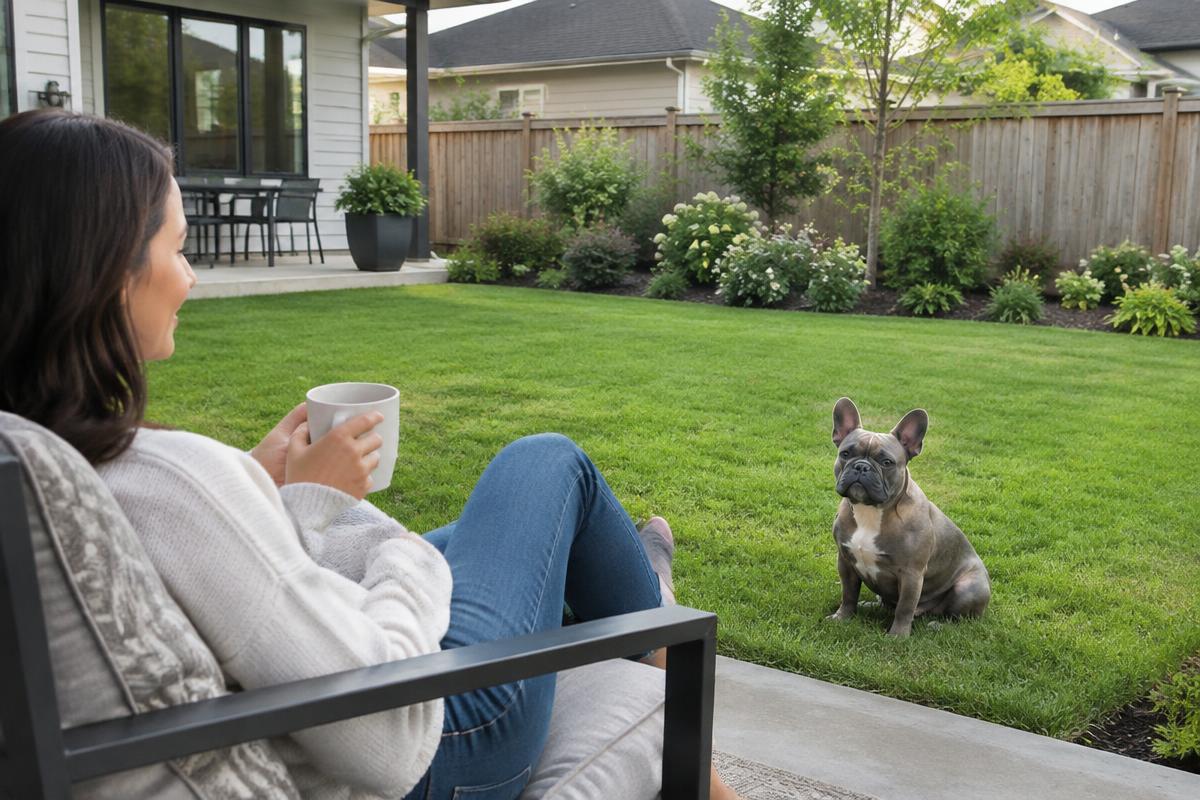
Entering someone's property without permission to let a dog relieve itself can also be seen as an intrusion. By staying on public sidewalks and keeping your pet on a leash, you can avoid accidental violations. If an accident does happen on a neighbor's lawn, cleaning it up immediately is the only way to remain in compliance with general community standards.
The Environmental and Health Impact
Leaving dog waste behind is not just a legal issue, it is an environmental one. Dog waste is not a natural fertilizer and can actually harm grass due to its high nitrogen content. It also contains bacteria and parasites that can wash into local storm drains and eventually reach water sources.
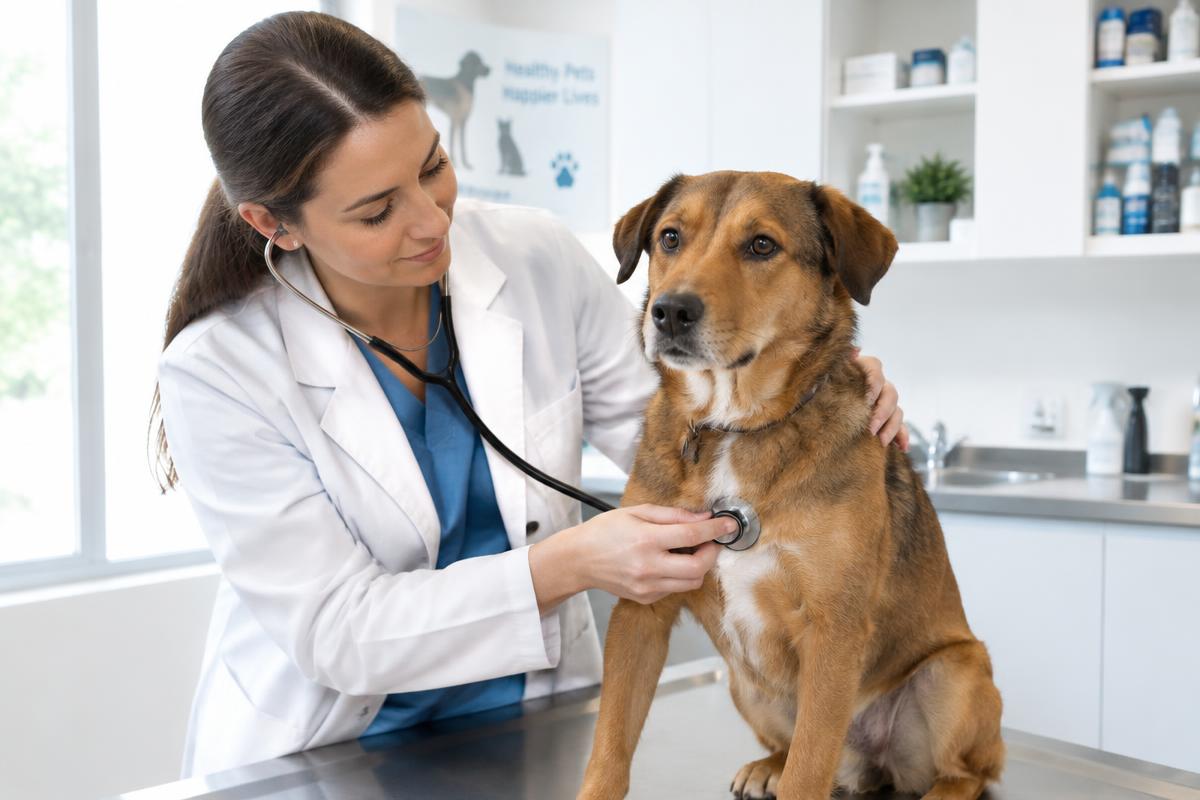
If you are concerned about your own pet's health or the health of other animals in the neighborhood, remember that waste can spread illnesses. If your dog has consistent digestive issues or you notice changes in their waste, it is a good idea to consult a veterinarian for professional advice. Keeping your yard and the community clean helps prevent the spread of these invisible threats.
Rainwater does not make dog poop disappear, it simply breaks it down into the soil or carries it away as runoff. This can lead to the contamination of local waterways with high levels of fecal coliform bacteria. Proper disposal in a trash bin is the only safe way to manage pet waste.
Professional Solutions for Your Yard
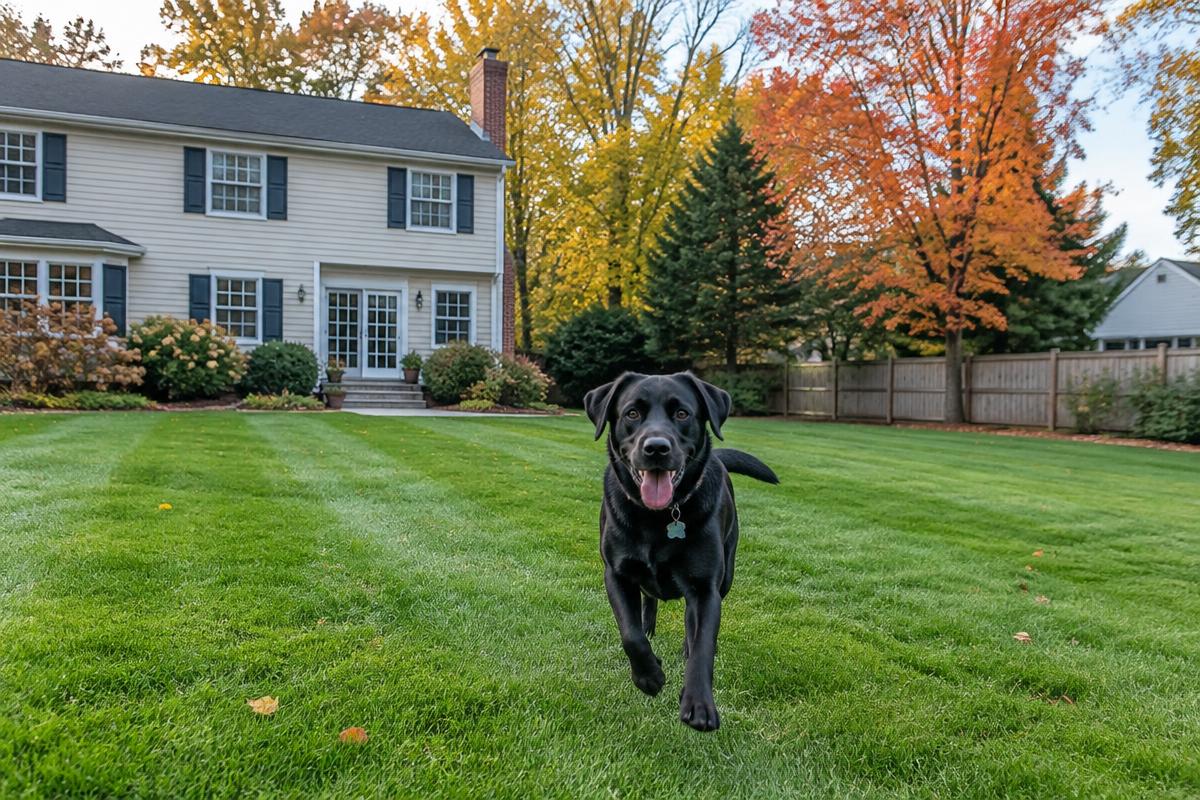
Managing pet waste can be a time consuming chore for busy families. While you must always pick up after your dog on walks, keeping your own backyard clean is equally important for your family's health and comfort. Regular cleaning ensures that you do not accidentally track waste into your home.
DoodyCalls of Morris County offers professional pet waste removal services to keep your lawn pristine. If you want to ensure your yard stays clean and safe without doing the dirty work yourself, our team is here to help. You can reach us at (973) 319,4809 to schedule a service that fits your needs.
People also ask
Can I get a ticket if my dog poops on a neighbor's lawn?
Yes, most municipalities have pooper scooper laws that allow code enforcement or police to issue a ticket if you fail to clean up after your pet on private property.
Is dog poop considered a health hazard?
Yes, the EPA classifies dog waste as a nonpoint source pollutant. It can contain pathogens like E. coli, salmonella, and various worms that are harmful to humans and other pets.
How should I dispose of dog waste correctly?
The best method is to double bag the waste and place it in a designated trash receptacle. Avoid flushing it unless your local utility specifically allows it, and never put it in a compost bin intended for food gardens.