Quick answer
Yes, dog poop is considered an environmental pollutant by the EPA. Unlike cow manure, it is highly acidic and contains harmful bacteria and parasites that can contaminate soil and local water supplies.
The Difference Between Waste and Fertilizer
A common misconception among pet owners is that dog waste acts as a natural fertilizer for the lawn. While it is true that some animal waste benefits the soil, dog waste is uniquely harmful because of a canine's high protein diet. This diet creates a highly acidic byproduct that can actually kill grass and disrupt the delicate balance of nutrients in your yard.
Unlike manure from cows or horses, which is primarily composed of processed vegetation, dog waste is full of nitrogen and phosphorus. When these elements are introduced to the soil in high concentrations, they create a toxic environment for local plants. This is why you often see yellow or brown spots on the lawn where a pet frequently goes to the bathroom.
Impact on Local Water Systems
When it rains in Morris County, pet waste left on the ground does not simply disappear. The runoff carries particles of the waste into storm drains, which often lead directly to local streams, rivers, and ponds. This introduces excess nutrients into the water, leading to a process called eutrophication.
Eutrophication triggers the rapid growth of algae. These algae blooms can become so thick that they block sunlight and deplete the oxygen in the water. This process makes it difficult for fish and other aquatic life to survive, essentially suffocating the local ecosystem. Managing waste in your own backyard is a critical step in protecting the broader New Jersey water supply.
Bacteria and Pathogens in the Soil
Dog waste is a significant source of pathogens that can persist in the soil for years. One gram of dog waste can contain millions of fecal coliform bacteria. These microorganisms pose a risk to humans and other pets who play in the yard, as they can be easily tracked into the house on shoes or paws.
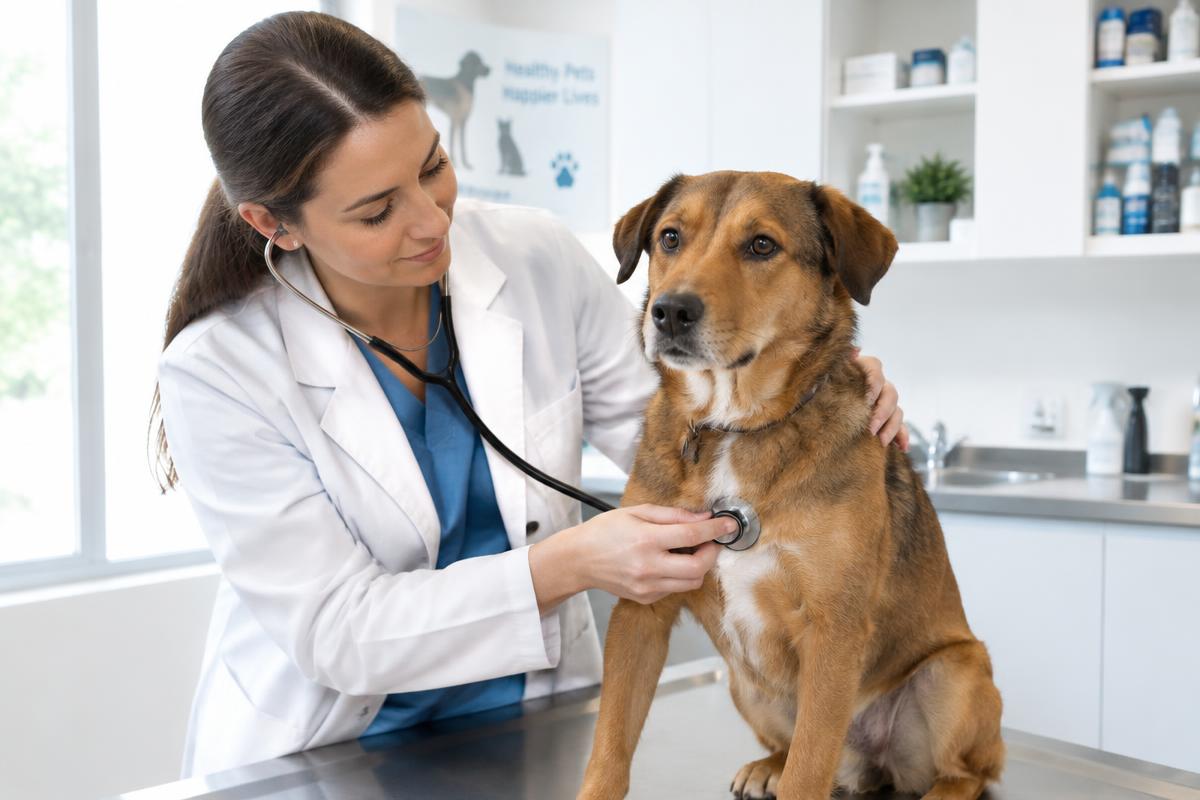
Common parasites found in waste include hookworms, roundworms, and giardia. These organisms can survive in the dirt long after the physical waste has decomposed. If you are concerned about your pet's health or think they may have contracted a parasite from a contaminated area, you should contact your veterinarian for a professional evaluation.
- Fecal coliform bacteria can cause intestinal illness
- Salmonella and E. coli are commonly found in dog waste
- Parasite eggs can remain dormant in the soil for long periods
Safe Disposal and Professional Help
To minimize environmental impact, the most effective method is to pick up waste immediately and dispose of it in the trash. Some towns have specific ordinances regarding pet waste disposal, so it is always wise to check with your local municipality for the most current rules. Avoid composting dog waste at home, as standard compost piles do not reach high enough temperatures to kill the dangerous pathogens.
Maintaining a clean yard is a full time job that requires consistency to prevent environmental buildup. If keeping up with the cleanup feels overwhelming, DoodyCalls of Morris County is here to help. We offer professional pet waste removal services to keep your outdoor space safe and clean for your family. Give us a call at (973) 319-4809 to schedule a service.
People also ask
Does dog poop make good fertilizer for a garden?
No, dog waste is too acidic and contains harmful bacteria that can contaminate edible plants. It should never be used in or near a vegetable garden.
How long does it take for dog waste to decompose?
It can take several weeks or months for the physical waste to break down, but the bacteria and parasites can remain active in the soil for years.
Is it okay to flush dog poop down the toilet?
While some municipal water systems can process pet waste, many cannot. It is best to check with your local water authority before flushing anything other than human waste.